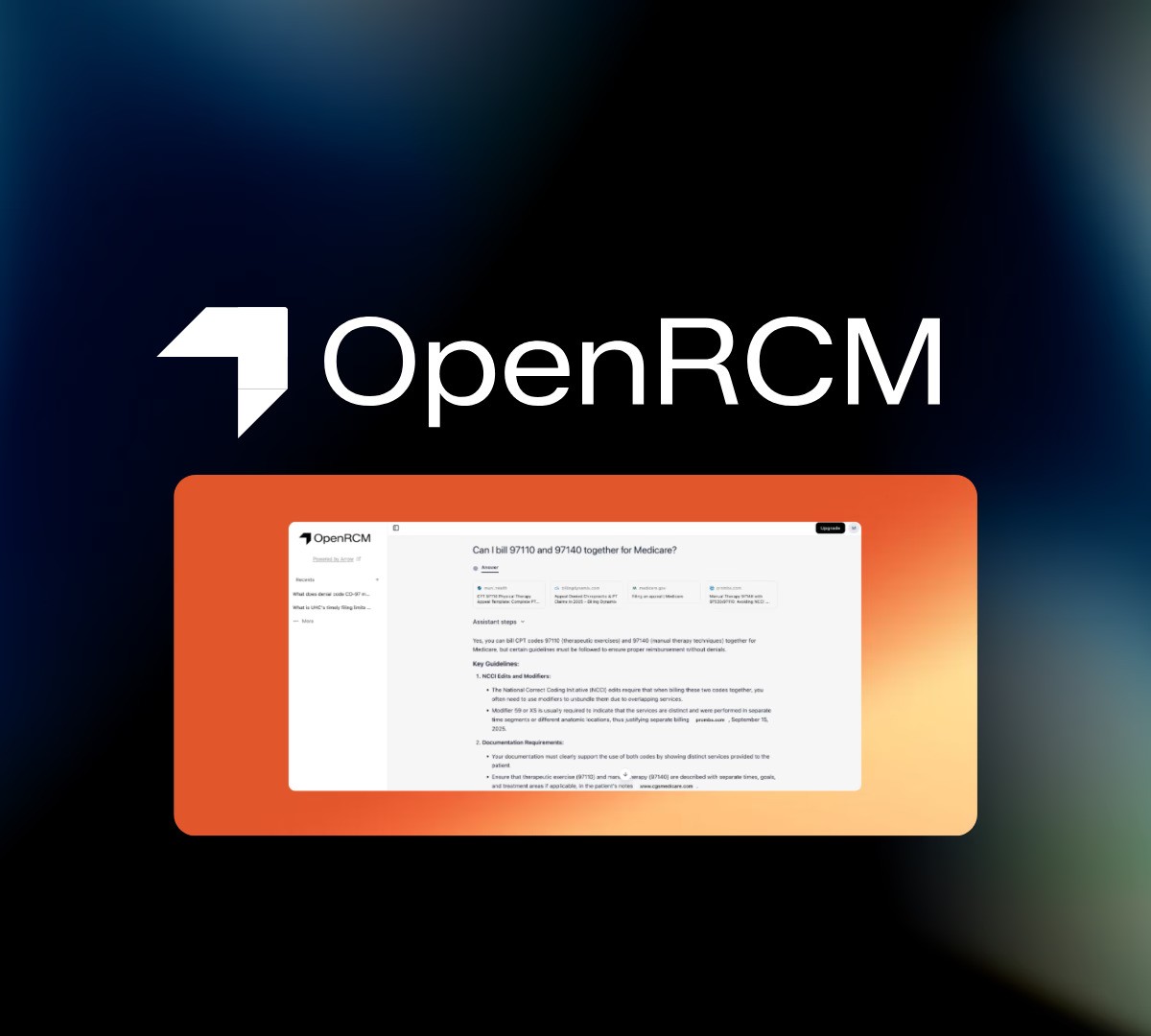
Why Practices Are Switching from Outsourced Billing to In-House + AI
Third-party billing companies once promised to relieve practices of the burdens of revenue cycle management. Many practices found that outsourcing introduced new headaches. Slow turnaround times, lack of transparency, and misaligned incentives are just a few. Now, more healthcare providers are bringing billing back in-house, bolstered by AI tools that are finally making this feasible.
The Problem with Outsourced Billing
Outsourcing your billing sounds appealing. The promise is simple: hand over your claims to experts, and watch your revenue pour in without lifting a finger. But the reality? Often, it’s far from straightforward.
Ever tried to get a straight answer from an outsourced billing company about a specific claim? It's not easy. Transparency is often lacking. Many practices have found themselves frustrated by vague reports and slow responses. Consider this: if it takes you two weeks to get an update on a high-dollar claim, you’re not just losing time—you’re potentially affecting your cash flow.
And let's talk about incentives. Third-party billers aren’t always incentivized to chase every dollar with the same intensity that an in-house team would. Their profit margins don’t depend on maximizing your revenue; they depend on processing as many claims as quickly as possible. This often means that complex claims, particularly those with tricky denial codes, might sit unresolved for too long.
The Appeal of In-House Billing with AI
Bringing billing in-house used to mean hiring a full team, investing in training, and handling a mountain of paperwork—no small feat. But AI is changing the game. With AI-driven tools, much of the routine data entry and claim submission workload can be automated, allowing your team to focus on what really matters.
AI tools can help with denial management, too. Imagine getting an automatic alert about a denial trend on a specific CPT code before it becomes a major issue. Or having AI suggest the most effective appeal language based on successfully overturned denials in the past. These aren't futuristic concepts—they’re available now.
Case Study: Boosting Efficiency and Revenue
Take the example of a multi-specialty practice with 20 locations. They outsourced billing for years, frustrated by delays and errors. After switching to in-house billing supplemented by AI tools, they saw a 15% increase in clean claim rates within the first three months. How? By using AI to pre-scrub claims for common errors and adjust them before submission.
The practice also reduced their days in accounts receivable (A/R) from 45 to 30 days. AI-driven insights into payer behavior allowed them to prioritize high-dollar claims and identify patterns in denials more quickly. When a $10,000 claim gets paid two weeks sooner, that’s real money back in the practice's operating budget.
Making the Transition
For those considering the shift, several practical steps can smooth the transition from outsourcing to in-house billing with AI. First, assess your current billing performance. Identify strengths and weaknesses—understanding these will inform which AI tools will deliver the most value.
Next, choose the right AI partner. The market is crowded, but not all solutions are created equal. Look for AI that integrates seamlessly with your existing EHR and practice management systems. Consider the user interface too—tools that are cumbersome to use will frustrate your team and slow adoption.
Training is another non-negotiable. Even the best AI system needs human oversight. Equip your staff with the training to manage AI tools effectively. This ensures they can focus on handling exceptions and high-value tasks, not on wrestling with technology.
The Bigger Picture
The case for in-house billing isn’t just about dollars and cents, though that’s a big part of it. It’s about control and flexibility. With in-house billing and AI tools, practices can tailor their billing processes to their unique needs. They can respond faster to payer policy changes and have direct oversight on every claim.
And let's not forget patient satisfaction. When billing is in-house, practices can often address patient billing inquiries more quickly and accurately—something that outsourced firms rarely prioritize. In today's healthcare environment, where patient experience can impact reputation and referrals, this is not a small consideration.
In-house billing, enhanced by AI, offers a path forward that combines the best of both worlds: the efficiency and data-driven insights of technology, with the flexibility and alignment of an in-house team. Practices prepared to make the switch often find themselves not only improving their revenue cycle metrics but also gaining peace of mind. And in healthcare, that's invaluable.