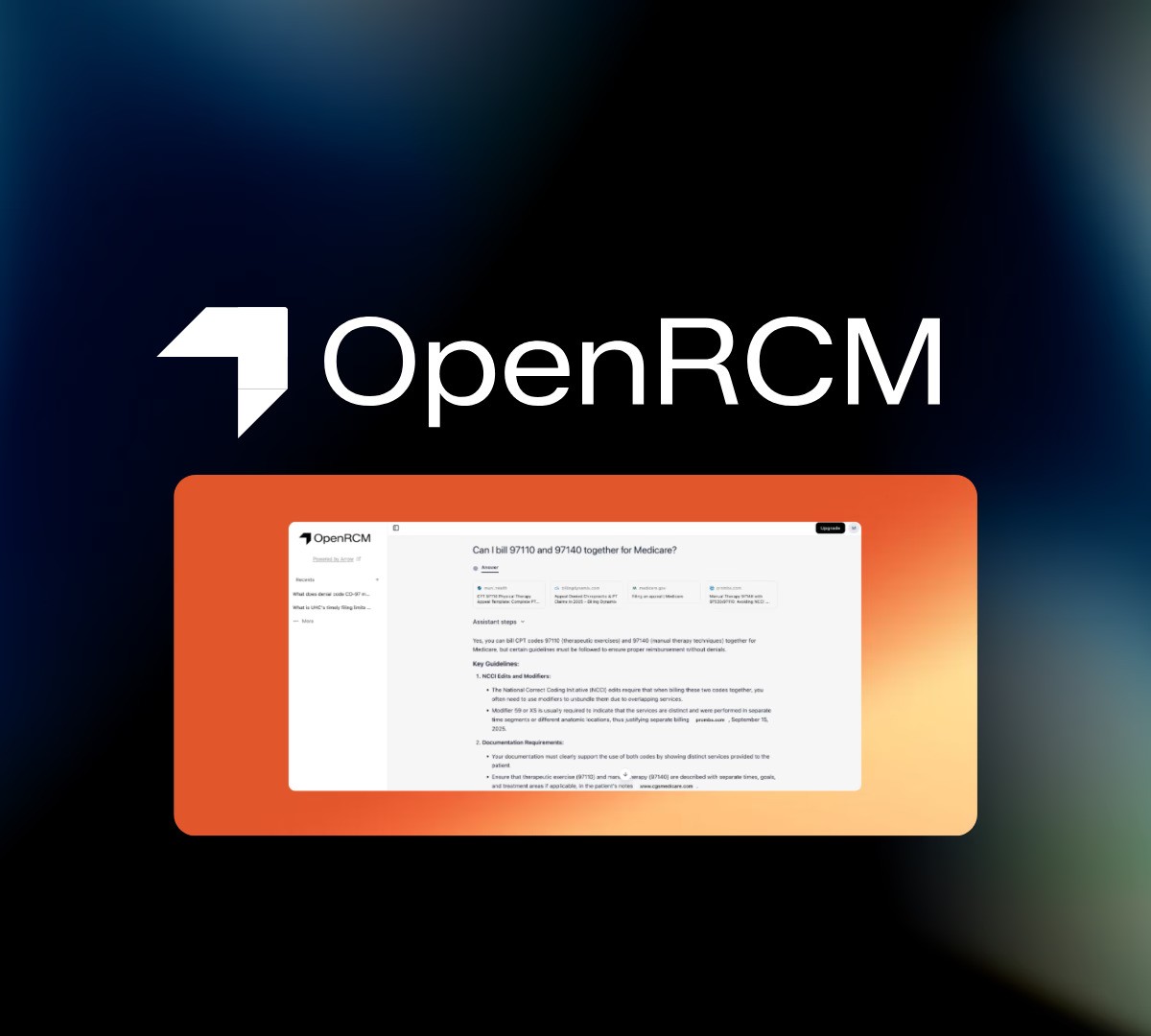
Understanding NCCI Edits: A Complete Guide for Medical Billers
Understanding the intricacies of the National Correct Coding Initiative (NCCI) edits is no small feat. Yet, it's a necessity for medical billers who want to ensure claims are processed smoothly and reimbursements are accurate. NCCI edits can make or break claim adjudication. Knowing how to navigate these edits and check code pair conflicts saves time, reduces denials, and keeps the revenue cycle humming.
What are NCCI Edits?
NCCI edits are coding regulations established by the Centers for Medicare & Medicaid Services (CMS) to promote correct coding methodologies and prevent improper payments. These edits apply to Part B claims and are used by Medicare Administrative Contractors (MACs) during claim processing.
Types of NCCI Edits
There are two main types of NCCI edits: Procedure-to-Procedure (PTP) edits and Medically Unlikely Edits (MUEs).
PTP Edits: These edits prevent inappropriate payment of services that should not be reported together. For example, a common PTP edit would prevent billing for both a comprehensive procedure and its component parts on the same day.
MUEs: These limit the number of units of service that can be reported for certain healthcare services on a single date for the same patient.
Understanding these categories is step one. But the real challenge lies in applying them effectively.
The Impact of NCCI Edits on Claim Adjudication
Ignoring or misapplying NCCI edits can lead to claim denials and delayed payments. Denials are costly—not just in direct revenue, but in the time and resources needed to appeal them.
Let's say a practice continually submits claims with a common pairing error—billing both 99214 (an office visit) along with a procedure like 20610 (arthrocentesis) without a proper modifier indicating that they are distinct services. These claims will get flagged and possibly denied. Correcting and resubmitting takes time, and time is money.
Real-World Consequences
Consider this: if a practice manages 1,000 claims monthly, and 5% face denial due to NCCI edits, that's 50 claims. At an average claim value of $200, that's a potential cash flow hit of $10,000 each month. That’s not just numbers on a page; it's a tangible impact on a practice's bottom line.
Checking Code Pair Conflicts
The key to avoiding these headaches is diligence—checking potential code conflicts before claims go out the door.
Where to Find NCCI Edits
CMS provides an extensive list of NCCI edits that can be accessed online. However, sifting through this data manually can be daunting. Using billing software that integrates these edits is often more efficient.
Many payers also provide their own tools and resources. For instance, some payer portals let you check codes on the fly (assuming you can navigate their notorious interfaces without losing your sanity). For practices without access to advanced software, keeping a current copy of the NCCI edits spreadsheet handy is vital.
Practical Steps for Billers
Use Modifiers Wisely: Modifiers can bypass certain PTP edits if used correctly. But misuse leads to denials. Billers should be familiar with modifiers like 59 (Distinct Procedural Service) and know when they apply.
Regularly Update Resources: CMS updates NCCI edits quarterly. Ensure your resources—whether they are spreadsheets, software, or payer guidelines—are always current.
Educate the Team: Continuous education is crucial. Host periodic training sessions to keep everyone up to speed on the latest NCCI edit changes and best practices for applying them.
Implement Pre-Bill Audits: Develop a pre-bill audit process to catch potential code pair conflicts before claims are submitted. This can involve specialized software or manual checks by experienced personnel.
Communicate with Providers: Sometimes, coding issues stem from misunderstandings at the provider level. Ensure that providers understand the importance of correct code pairing and documentation.
The Role of Technology
Technology can be a biller’s best ally in managing NCCI edits. Advanced billing systems often include built-in NCCI edit checks, flagging potential issues before submission. These systems can save time and reduce errors. But remember, they're only as good as the people using them.
Choosing the Right Tools
Not all billing systems are created equal. When evaluating software, consider its ability to handle NCCI edits specifically. Can it update codes automatically? Does it alert billers to potential conflicts? What level of customization is available for unique payer requirements?
Moving Forward: Diligence and Adaptation
Understanding and managing NCCI edits is not a one-time task. It requires ongoing diligence and adaptation to policy changes. The healthcare billing environment is complex, but with the right approach and tools, practices can efficiently manage NCCI edits and minimize their impact on revenue.
The takeaway here? Stay informed, leverage technology wisely, and maintain an agile billing process that can quickly adapt to changes. Doing so ensures smoother claim adjudication and a healthier revenue cycle.