The Generational Shift in Medical Billing: What Gen Z Billers Expect
Medical billing isn't what it used to be. And if you're not keeping up with the times, you're going to find it increasingly difficult to attract and retain talent. With Gen Z entering the workforce, practices must adapt—or risk losing ground.
Modern Tools Aren't Optional
Forget about paper. Gen Z billers are digital natives. They've grown up with smartphones and AI, and they expect their workplace tools to reflect that. Antiquated systems and clunky interfaces aren't just annoying—they're deal-breakers.
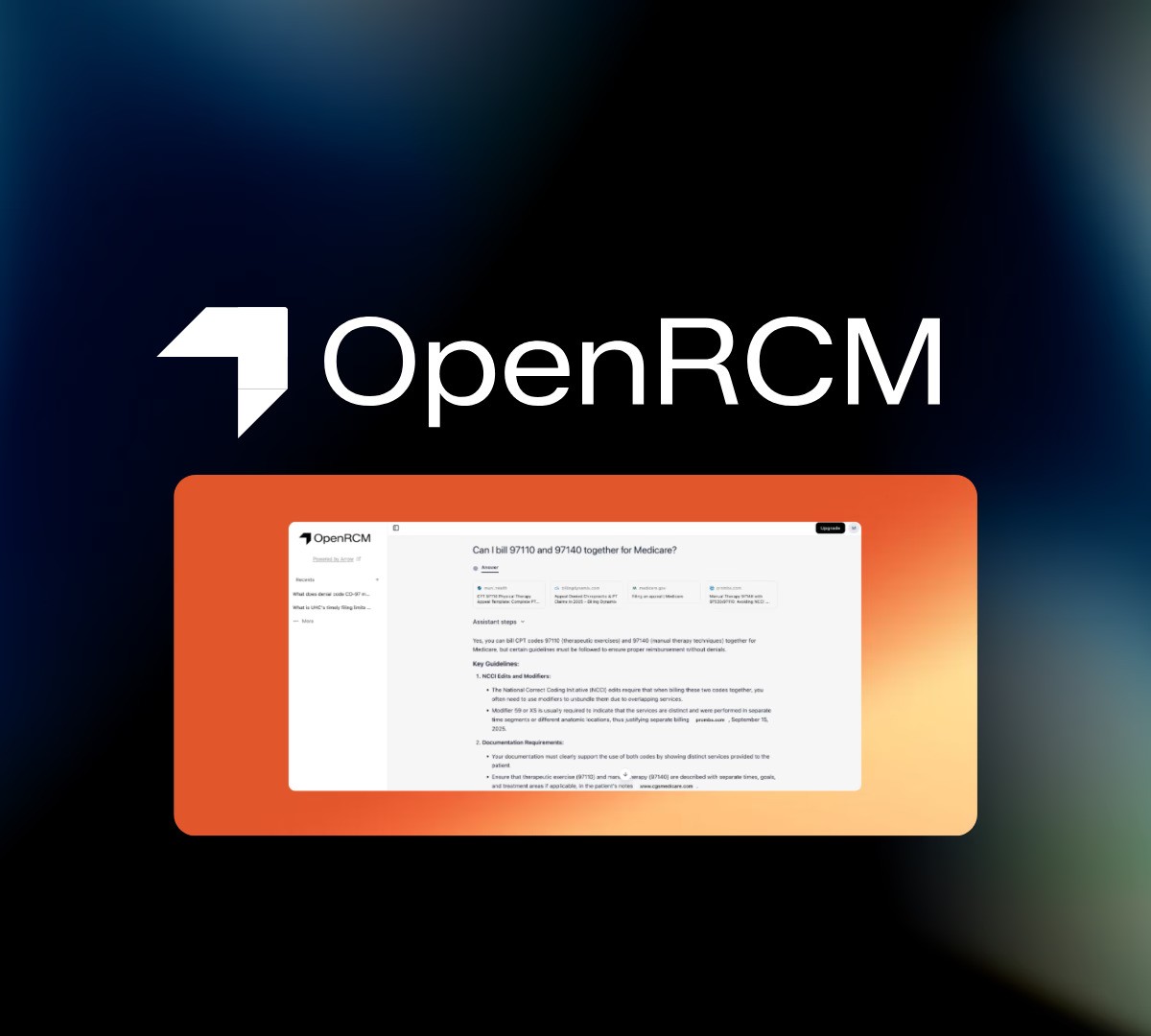
The average millennial biller is already well-acquainted with digital workflows, but Gen Z takes it a step further. They're looking for AI-driven tools that can automate the mundane tasks, like data entry and preliminary claims review. They want analytics platforms that don't just display data, but interpret it and offer actionable insights.
Do you think they're going to stick around for a system that requires multiple logins just to see the status of a claim? Not likely. To retain these workers, practices must invest in integrated platforms that facilitate real-time collaboration and provide seamless access to data. Think Arrow, Athenahealth, or Kareo—tools that simplify complex billing processes.
Flexibility Is Non-Negotiable
Flexibility is more than a buzzword for Gen Z—it's a lifestyle. This generation won't respond well to rigid office hours or an inflexible in-office requirement. They value work-life balance more than any previous generation, and they're willing to leave for a job that offers it.
Offering remote work isn't just about keeping them happy—it's about productivity. A survey indicates that 77% of remote employees report being more productive. Imagine reducing the average 90-day A/R cycle without increasing staff hours. Remote work setups can make that a reality.
Compliance is key here. Remote setups still need to adhere to HIPAA regulations, which means secure VPNs and encrypted communication tools are a must. For a generation wary of security risks, demonstrating a commitment to data protection will build trust.
Career Growth and Development
Gen Z wants more than just a paycheck. They're looking for growth opportunities and a clear career path. They don't just want a job—they want a career. Practices serious about attracting top talent need to provide more than annual performance reviews. Mentorship programs, clear advancement pathways, and professional development opportunities should be part of the package.
Opportunities for advancing within a practice can be a significant draw. Certification programs like the Certified Professional Biller (CPB) or Certified Coding Specialist (CCS) should be encouraged and even funded by the practice. They not only enhance individual skill sets but also improve the quality of work—benefitting the practice overall.
Understanding Their Values
It's not just about technology and flexibility—it's also about aligning with Gen Z's values. This generation places a high premium on diversity, equity, and inclusion. They want to feel that their workplace is a reflection of these values. And they're not alone—patients increasingly care about this as well.
Reflect on your recruitment process. Are job postings inclusive? Is your current team diverse across all levels? If not, you might be inadvertently signaling to Gen Z candidates that your practice isn't the right fit for them.
The Competence Expectation
One misconception about Gen Z is that they lack competence or work ethic. On the contrary—what they lack in experience, they often make up for in tech-savviness and adaptability. Their understanding of modern communication tools can prove invaluable in navigating payer portals and managing claims.
But they do expect competence from their employers too. They want leaders who understand the intricacies of the billing process, from denial codes like CO-45 (charges exceed contracted fee) to the peculiarities of different payer rules. You can't bluff your way through this. A knowledgeable leader who can mentor and provide real solutions will earn their loyalty and respect.
Adapting for the Future
The shift isn't coming—it's here. Practices that fail to adapt to the expectations of Gen Z will find themselves left behind, scrapping for talent in an already competitive landscape.
Invest in modern tools and flexible work arrangements. Prioritize career growth and align your values with those of a younger workforce. It's not just about meeting the needs of a new generation—it's about positioning your practice for long-term success.
While these changes demand investment and strategy, the payoff is a more engaged workforce and a more efficiently run operation. Practices poised for the future will not only attract Gen Z talent but also foster a culture that drives them to excel.