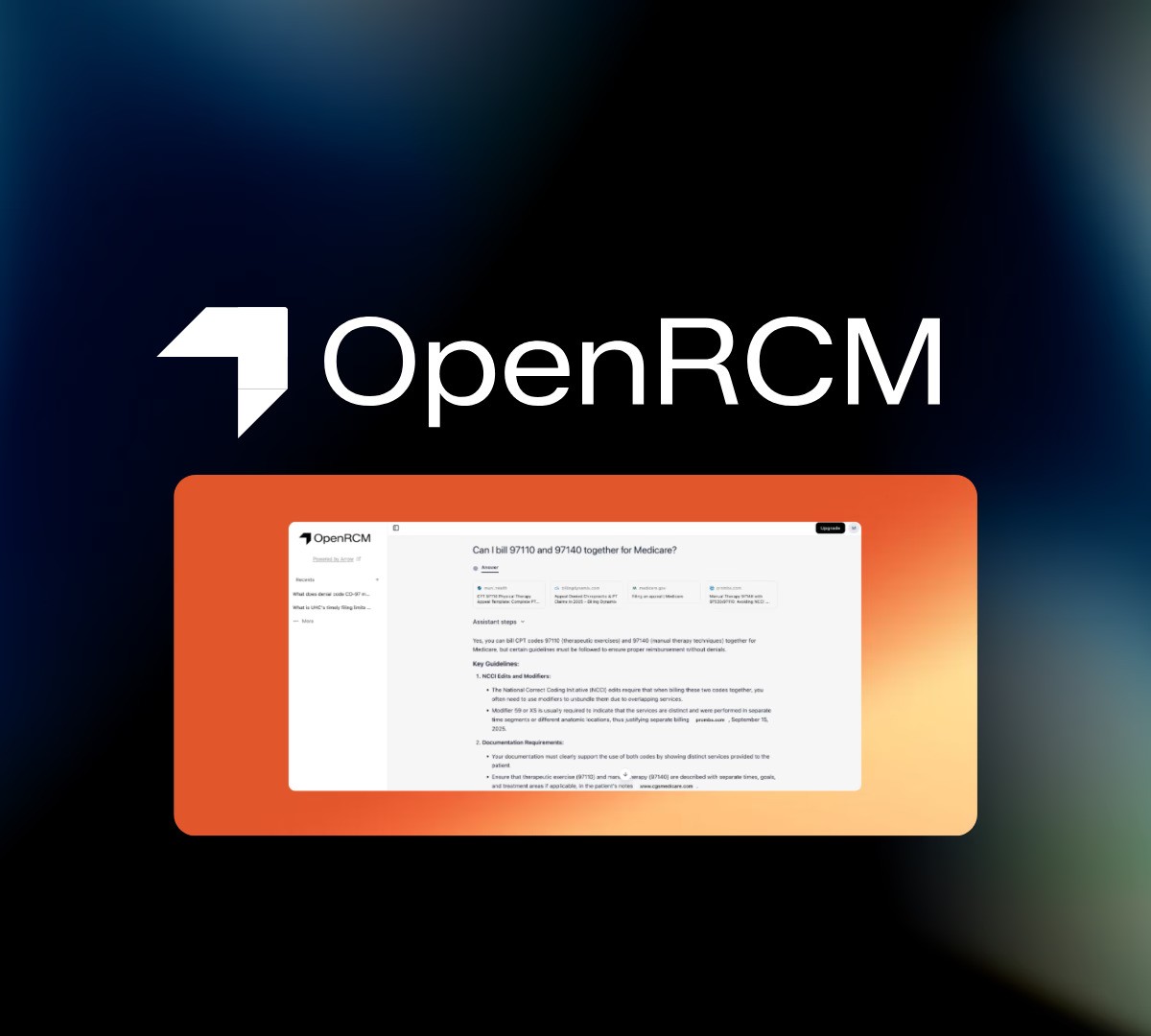
The Evolution of Medical Billing: From Paper to AI-Powered Automation
The days of paper claim submissions and manual ledger entries feel like ancient history to those in the field of medical billing. Yet, it wasn't all that long ago that billers were buried in stacks of paper, juggling telephones with one ear while feverishly scribbling with the other hand. Fast forward to the present, and the transformation is nothing short of revolutionary.
The Early Days: Paper Trails and Piles
Medical billing began as a task mired in paper. From handwritten notes to typewritten forms, everything moved at the speed of the postal system. Denials were abundant, and appeals were a nightmare. It was a world where the word "automation" was as foreign as EDI and EFT.
Back then, billers had to physically line up at the bank for deposit slips, and the processing of claims was a game of patience. A missing form or an incorrect code meant weeks of delay. And let’s not even get started on the hold times for payer phone lines — a hold queue from hell that billers dreaded like the plague.
The Digital Shift: EHRs and Electronic Claims
The introduction of Electronic Health Records (EHRs) and electronic claims submission systems marked the first major leap forward. Suddenly, billers could send claims with a few clicks, reducing errors and turnaround times. But this shift wasn't without its hiccups. Many practices faced steep learning curves, and interoperability issues were — and still are — rampant.
Denial management became more sophisticated with electronic claims. Trends could be spotted quicker, and data analysis became a biller's ally. Yet, the promise of going 'fully digital' was often marred by systems that didn’t quite talk to each other, leading to new frustrations (a single digit error in a payer’s ID could derail an entire batch of claims).
Enter Automation: A New Contender
Automation further reshaped medical billing, introducing bots that could handle repetitive tasks like claim status checks and payment posting. It was here that billers really began to feel the weight lift from their shoulders. Suddenly, there was time to focus on complex cases and strategic tasks rather than being mired in the minutiae.
But automation is not just a magic wand — it requires oversight, constant tuning, and someone to handle exceptions. Remember when that automated bot went rogue, checking claim statuses every three minutes and crashing the system? Lesson learned. Proper setup and governance are key.
The AI Revolution: A Game Changer?
Now, artificial intelligence is stepping onto the scene, promising to be the next game changer. AI algorithms can predict denials before they happen, suggest optimal coding alternatives, and even personalize patient billing experiences. But with these advancements come questions: How much can we trust these systems? Who’s accountable when AI makes a mistake?
AI presents incredible potential for reducing errors and improving efficiency. For instance, predictive analytics can flag claims with a high likelihood of denial, allowing billers to preemptively adjust. And AI can learn — adapting to the quirks of specific payers and evolving as those quirks do. But technology alone cannot replace the nuanced understanding and instincts of a seasoned billing professional.
Managing the Transition: Integrating Old and New
For practices, the transition to AI-powered billing isn't always smooth sailing. Merging old systems with new technology can be akin to a delicate balancing act. Practices need to ensure that data flows seamlessly across platforms while maintaining compliance with constantly evolving regulations.
Staff training is essential. AI tools are powerful, but only when used correctly. Billers must become adept at interpreting AI-driven insights and incorporating them into their daily workflows. This means new skills, and often a shift in mindset — from task completion to strategic oversight.
Looking Forward: What's Next?
The pace of technological evolution shows no signs of slowing, and medical billing will continue to change. Blockchain technology is on the horizon, with the potential to enhance data security and streamline transactions. Real-time claim adjudication could become the norm, further shrinking the gap between service and payment.
As AI and automation become ubiquitous, the role of the medical biller will shift from data entry and claim chasing to that of a strategist and analyst. The need for human intuition and decision-making won't disappear. Instead, it will become even more critical in guiding and refining these advanced systems.
Ultimately, the practices that will thrive in this new environment are those that view technology as an ally. Embracing AI and automation, not as replacements, but as extensions of the team's capabilities, will position a practice not just to keep up, but to lead.
The future of medical billing is bright and full of potential. Those prepared to adapt and embrace these changes stand to transform daily operations and achieve greater efficiency and accuracy than ever before.