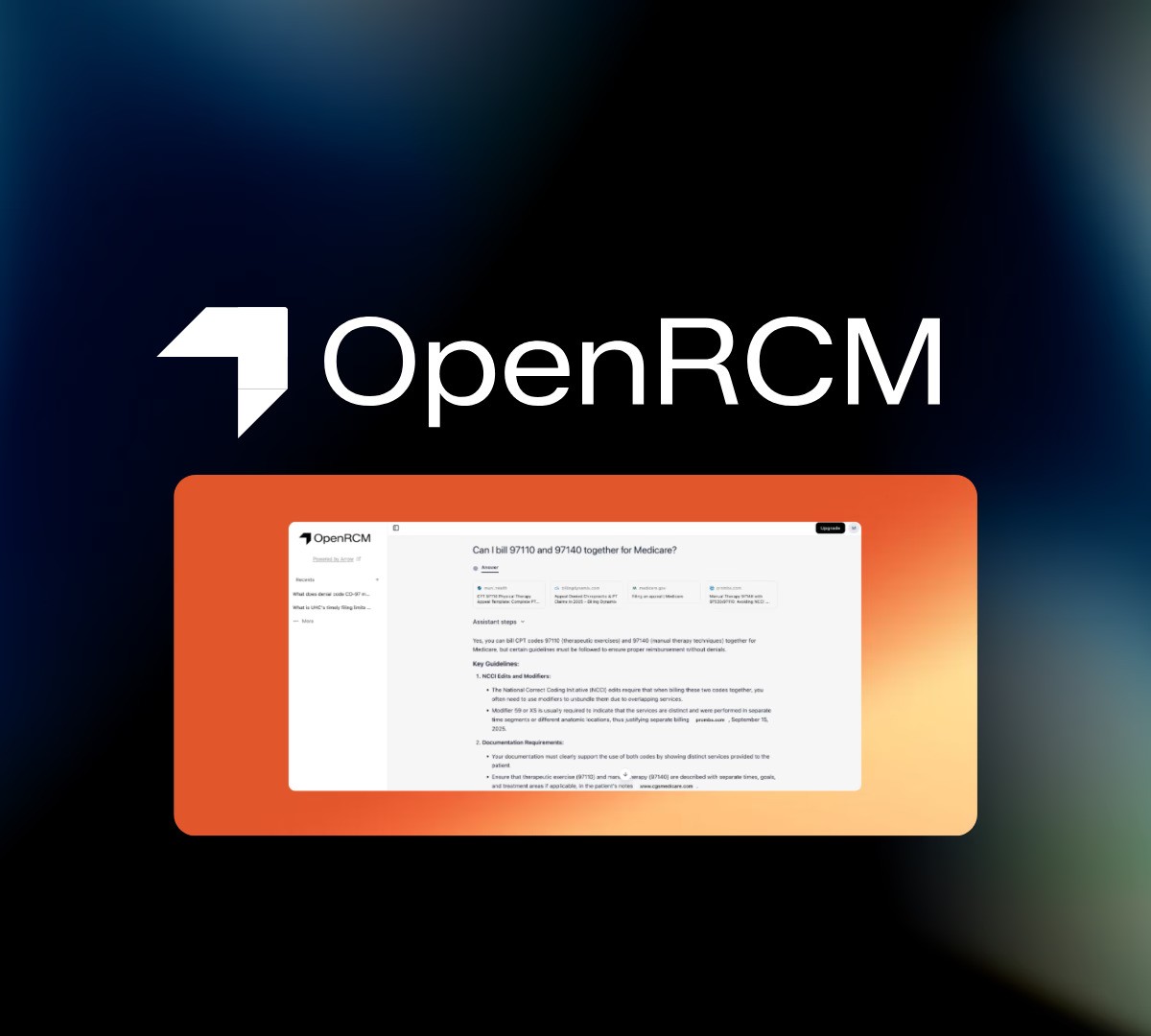
Why Your Billing Team Deserves Better Technology
Billing teams are the backbone of any healthcare operation. They're tasked with the unenviable job of turning patient services into revenue. Yet, they're often hamstrung by outdated tools and processes. It's like trying to perform surgery with a butter knife. And then, when the numbers don't add up, who gets the blame? It's time to face facts: investing in better technology for billing isn't just smart—it's necessary to retain talent.
The Pressure Cooker Environment
Healthcare practices are squeezing billing teams to do more with less. Maybe you're trimming down to meet budget cuts, or perhaps you're expanding services but not the billing department. Whatever the reason, the pressure is real. Billing teams are drowning in spreadsheets, poring over denial codes like 18 (Duplicate Service) and 204 (Medical Necessity) while juggling phone calls with payers who seem to have a perpetual "higher than usual" call volume.
These aren't just frustrations—they're symptoms of a system ready to crack. And when team members burn out, it's not easy—or cheap—to replace them. Training a new hire can cost up to 20% of a salary, not to mention the time lost on onboarding. Meanwhile, existing staff must pick up the slack, leading to even more stress and potential errors.
Outdated Technology Undermines Retention
Billing systems from the early 2000s might still run, but they can't keep pace with modern demands. Ever had a team member spend 30 minutes just logging into a clunky, legacy billing portal? Multiply that across a month, and you're looking at lost hours—time that could be better spent managing denials like CO-16 (Claim lacks information).
And let's not forget the morale drain. When technology fights your team at every turn, frustration levels soar, and job satisfaction plummets. High turnover becomes a vicious cycle because when tools are bad, people leave. And when people leave, the tools don't improve by themselves.
The Hidden Costs of Not Upgrading
Sticking with outdated technology isn't saving money—it's costing you. Consider the financial impact of delayed payments because your team spends countless hours on manual tasks that could be automated. Or the penalties incurred from errors that happen when data is manually transferred between systems. Billing accuracy directly impacts cash flow, and cash flow is the lifeblood of any practice.
Payers are not standing still, either. They're refining their systems, introducing more automated processes, and raising the bar. Practices that can't keep up may find themselves at a disadvantage. Ever dealt with a payer portal that changes functionality without warning? With outdated systems, adapting to these changes is slower, and the repercussions of not adapting can be severe.
Investing in Technology as a Retention Strategy
So, what's the answer? Invest in billing technology that empowers, not frustrates, your team. Look for solutions that integrate seamlessly with existing electronic health records (EHR) platforms, allowing for automation of mundane tasks like claim status checks and eligibility verifications. Tools that provide analytics can help identify trends and streamline denial management, turning CO-97 (Service not covered) into a thing of the past.
Good technology also offers transparency. With the right systems, team members can track their work's status without sifting through spreadsheets or holding for payer reps. This autonomy isn't just good for your bottom line—it's a proven morale booster.
Practical Steps to Take
Before throwing money at a problem, assess what's truly needed. Engage with your billing staff—ask for their input on what slows them down. Often, they're sitting on gold mines of efficiency ideas that simply never reach the decision-makers' ears.
Next, perform a technology audit. Identify which processes are draining time and which areas could benefit from automation. Offer training sessions to ensure the team can fully utilize new tools. Technology is only as good as the people using it. And don't forget to set clear KPIs to measure the impact of new systems.
Lastly, negotiate with vendors. Don't just settle for a one-size-fits-all solution. Tailor the technology to fit your practice's specific needs, whether it's handling payer-specific quirks or integrating with your existing systems.
The Future of Billing
Healthcare isn't getting simpler. The onus is on practice executives to recognize that investing in better billing technology isn't a luxury—it's a strategic necessity. Not just for efficiency, but for retention. Happy, empowered billing teams lead to healthy bottom lines.
In the end, this is about more than just technology. It's about building an environment where billing professionals feel valued, supported, and equipped to do their jobs well. That's the real investment.