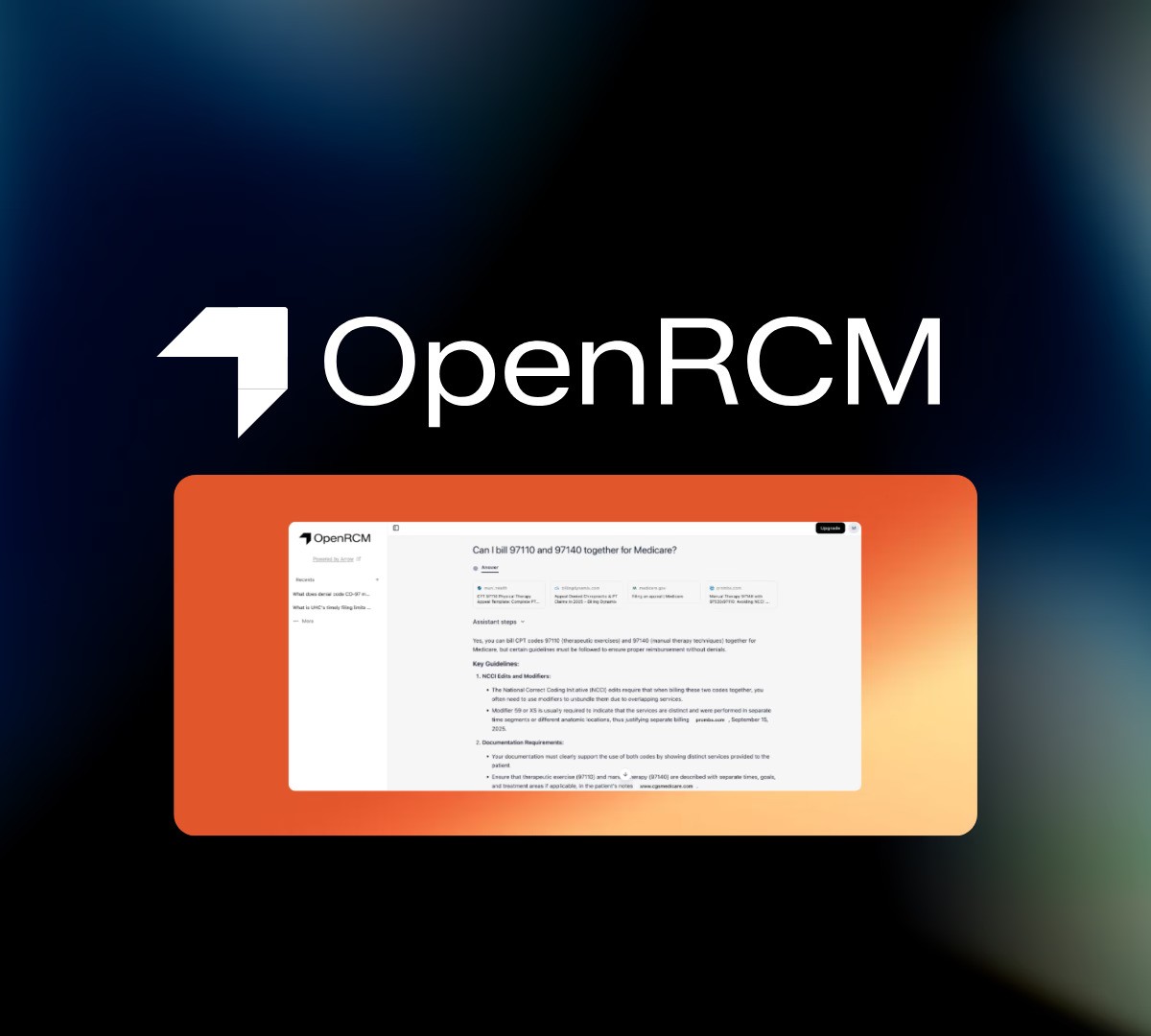
Best Medical Coding Software for Accurate CPT and ICD-10 Selection
Accurate coding is the backbone of effective medical billing. But let’s face it: it’s a minefield out there with CPT and ICD-10 codes. A slip can lead to denied claims, audits, and revenue loss. So, how can practices ensure accuracy without overburdening their coding teams?
Why Accurate Coding Matters
Precision in coding isn't just about getting paid — although that’s a big part of it. It’s about maintaining compliance and avoiding the red flags that lead to audits. An incorrect ICD-10 code might seem minor, but it can trigger an avalanche of issues. And guess what follows errors? Time-consuming corrections and re-submissions.
Coders are human, after all, and even the best make mistakes. That's where coding assistance tools come in to help reduce human error and boost efficiency.
Key Features to Look for in Coding Software
Not all coding tools are created equal. When choosing a tool, focus on what actually helps in the trenches:
Real-Time Code Suggestions: Imagine a tool that offers CPT and ICD-10 code suggestions based on documentation — in real time. This not only speeds up the process but also reduces errors by ensuring that the selected codes align with the clinical notes.
Built-in Compliance Alerts: Some tools flag compliance issues before a claim is submitted. These alerts can prevent costly denials. Maybe it’s a mismatch between the procedure and diagnosis codes, or perhaps it's a missing modifier — the right software will catch it.
Regular Updates: Codes change annually, sometimes more frequently. You need software that updates promptly. Relying on outdated codes is like driving with a blindfold.
Integration with EHRs and Practice Management Systems: Seamless integration means less toggling between systems and more time actually coding. Look for tools that sync with your existing electronic health records and management systems.
Reporting and Analytics: A tool that identifies coding patterns and highlights frequent errors can be invaluable. This allows practices to refine their processes and training.
Top Coding Software Picks
3M CodeFinder
A familiar name in the industry, 3M CodeFinder offers automated coding suggestions paired with its comprehensive coding library. It excels in speeding up the coding process while maintaining high accuracy — reducing the risk of denials significantly. And its easy integration with major EHRs is a plus.
Optum360 EncoderPro
Optum360 is another heavyweight, boasting a powerful search function that doesn’t just look at codes but also synonyms and abbreviations. Coders will appreciate the layered coding logic that assists in selecting the most appropriate codes for complex cases.
TruCode Encoder Essentials
TruCode offers a unique approach with its cloud-based solution. It includes integrated HIM applications that cater to both inpatient and outpatient coding, making it versatile. Its real-time updates ensure coders are never behind on the latest code changes.
SuperCoder
SuperCoder is well-suited for smaller practices, offering a user-friendly experience with robust CPT and ICD-10 coding databases. It provides quick access to fee schedules and compliance checks — ideal for practices looking to boost efficiency without the big enterprise price tag.
Common Coding Pitfalls and How Software Helps
Over-Coding and Under-Coding
Over-coding can lead to compliance headaches, while under-coding leaves money on the table. Good software uses context-based suggestions to guide coders toward the right code, ensuring it’s neither too high nor too low.
Missed Modifiers
Modifiers are often a source of frustration. Software with modifier suggestions can catch these missed opportunities — helping coders ensure every service is billed correctly.
Rejected Codes for Specific Payers
Payer-specific rules can be a nightmare. Some coding tools allow customization for payer rules, reducing the rate of rejection by tailoring submissions to meet exact payer requirements.
Boosting Team Efficiency
Tools are only as good as the team using them. But when the workload lightens because mundane checks are automated, coders can focus on the trickier cases that actually need human insight. It’s not about replacing coders — it’s about freeing them.
Training also plays a role. Many software providers offer training sessions or modules, further enhancing a team’s skills. Investing in training amplifies the software's benefits.
Looking Ahead
Choosing the right coding software can transform your practice’s bottom line — fewer denials, fewer audit risks, and more time for patient care. As coding processes evolve, staying ahead with the best technology isn’t just smart; it’s essential.
Adopt the right tools, and the difference will be clear. Your coders will thank you — and so will your bottom line.