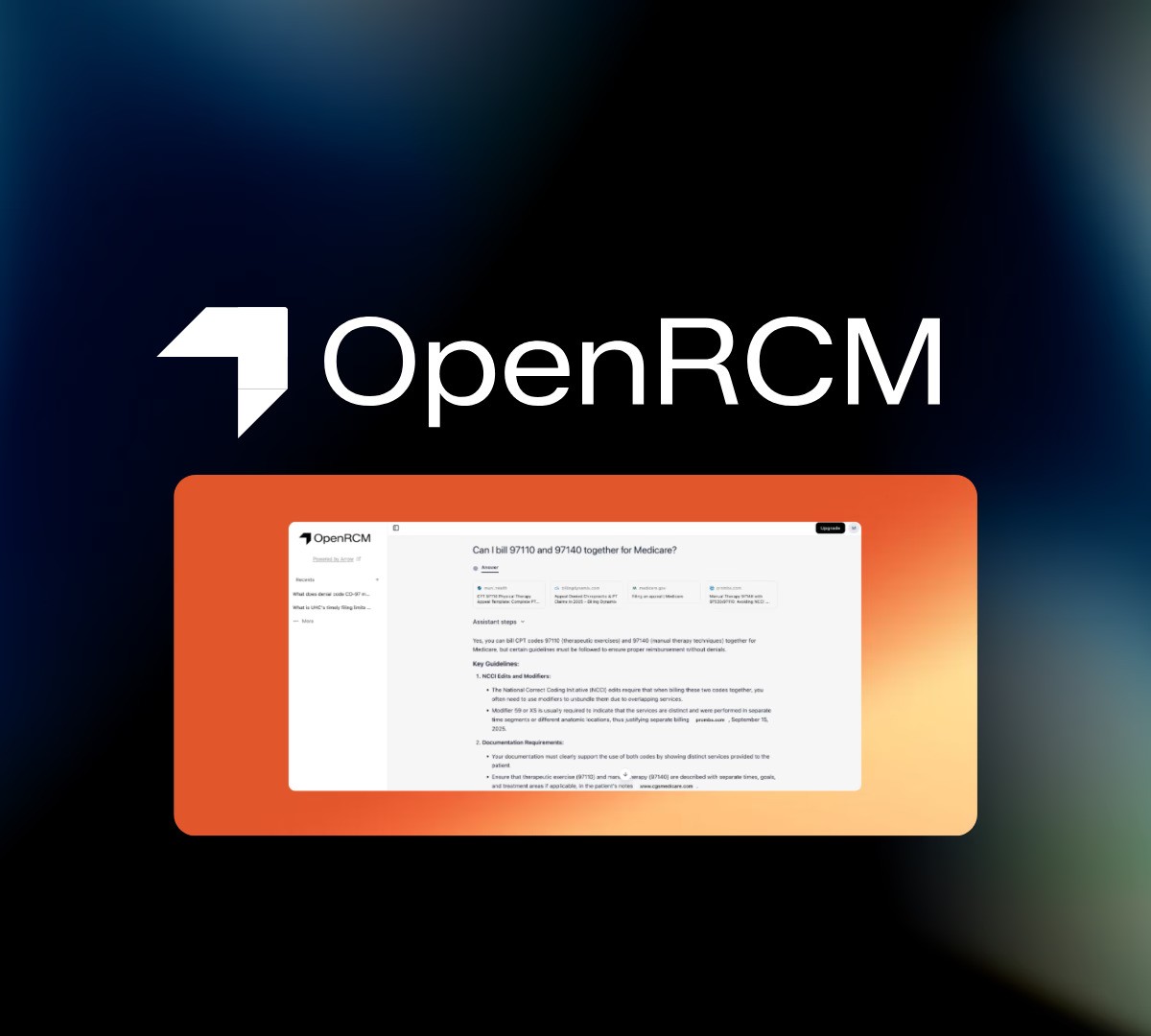
The Case for AI in Medical Billing: It's Not About Replacing Billers
Let’s address the elephant in the room. AI is not here to replace medical billers. It's here to make their lives easier, their work more precise, and perhaps even more satisfying. The idea that automation would obsolete skilled billers is unfounded. Instead, the best approach marries human expertise with AI efficiency.
The Reality of Medical Billing
Medical billing is no cakewalk. Dealing with denial codes, payer requirements, and endless follow-ups is a full-time job. Certain denial codes—like CO-16 (claim lacks information) or CO-97 (payment adjusted due to bundled services)—are incredibly common yet distinctly nuanced. Billers need to understand the specifics, not just the code. Missing a detail could mean losing significant revenue.
And then there are payer quirks. Who hasn’t spent half the day trying to reach a live person at a payer’s office after combing through an unhelpful portal? These are the realities billers face daily. AI steps in to assist—not take over—by handling repetitive tasks that eat up time. Think data entry and basic initial claim analysis.
Speed Meets Expertise
AI excels at pattern recognition and data processing at a scale no human could match. For example, AI can swiftly identify patterns in denials that might indicate systemic issues with a particular payer. It can cross-reference codes against a massive database to ensure that claims are compliant before submission. This helps avoid rejected claims in the first place.
But when it comes to interpreting complex cases or negotiating payer disputes, human expertise is unmatched. A seasoned biller knows that not all payers treat the same procedure the same way. They know which payers are sticklers for particular modifiers or which ones are more lenient with appeal deadlines. AI can flag discrepancies, but it takes a biller to understand what they mean and how to fix them.
AI Tools: Enhancing, Not Eliminating
AI-driven tools, such as predictive analytics and natural language processing, augment the biller’s toolkit. When used effectively, they free up time for billers to focus on tasks that truly require human intelligence—like evaluating why a claim was denied and determining the best course of action. AI can alert billers to a denial that’s been sitting too long, or predict which claims are at risk and should be prioritized.
Imagine this: An AI tool sorts through a stack of claims, identifying those most likely to be denied or delayed. It isolates patterns—maybe payer ABC is unusually slow with a specific procedure code. The biller can then prioritize intervention where it's most needed. It’s not about taking over; it's about doing more with less.
Addressing the Skeptics
There’s skepticism, of course. Some fear relinquishing control to algorithms, and others doubt AI's ability to handle nuanced cases. They argue that AI is just a glorified calculator. But consider this: Would you prefer a biller spending hours sifting through data to identify trends or focusing that energy on resolving intricate claims? Trust in AI grows with use—once billers see how much time and error it saves, they understand its value.
The Bottom Line
Incorporating AI into medical billing isn't about loss of jobs. It’s about efficiency, accuracy, and improving the bottom line. AI handles the grunt work, allowing billers to bring their judgment and expertise to the forefront. The most successful practices will be those that embrace this synergy—where billers and AI work hand in hand to tackle the complexities of medical billing.
The takeaway? AI is an ally. An ally in making billing less about paperwork and more about problem-solving. Practices should focus not on what AI takes away but what it gives back—time, accuracy, and perhaps a bit more peace of mind.