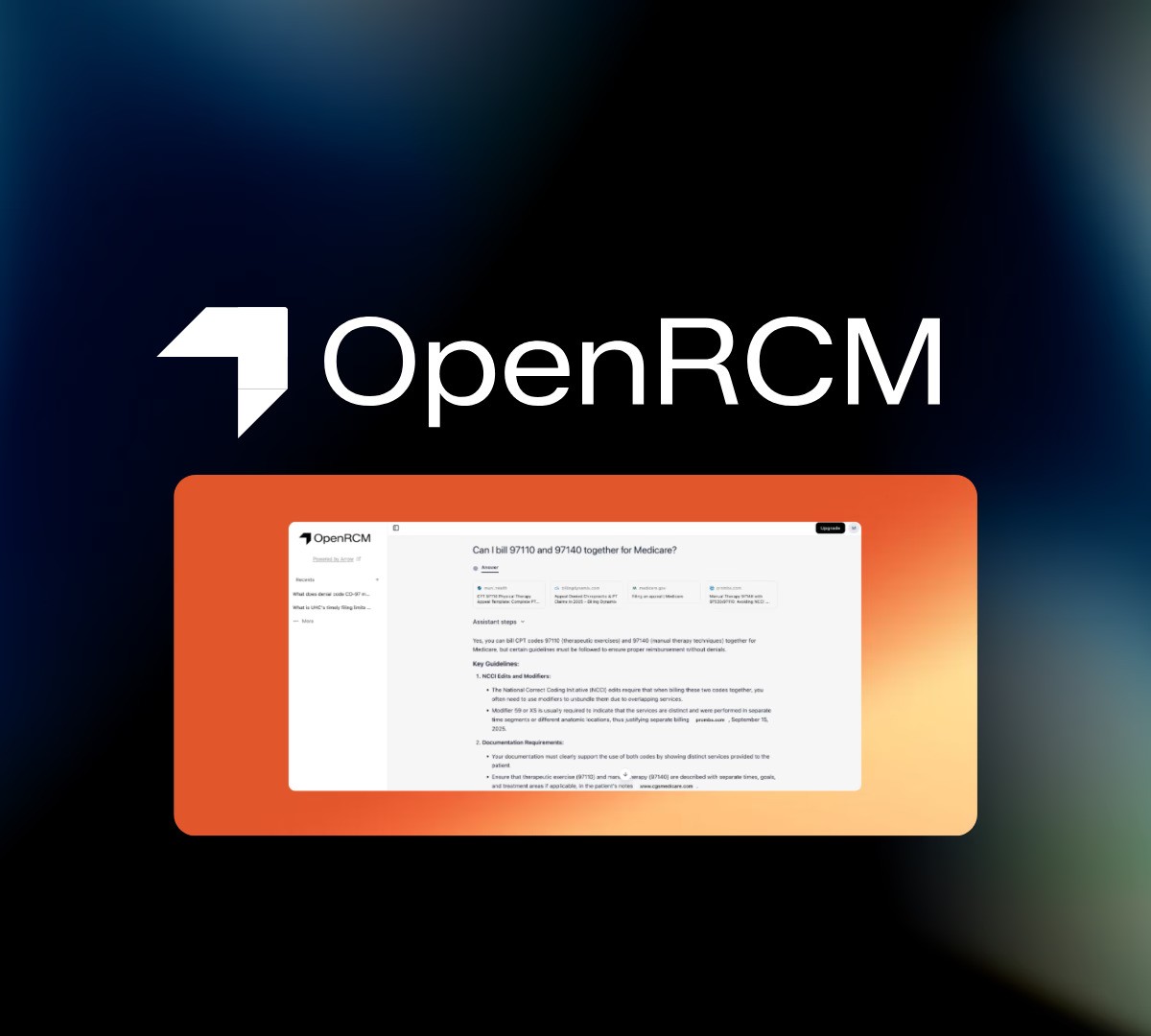
The Role of AI in Medical Billing: What's Changing in 2025
AI is no longer just a buzzword. It's reshaping how medical billers operate—dramatically. Practices that once relied on manual processes are now finding AI indispensable. By 2025, AI won't just be an enhancement; it will be the backbone of efficient billing operations.
Automated Coding: The New Normal
Gone are the days of manually checking CPT codes against ICD-10 diagnoses. AI can automate this process, drastically reducing human error. And let's be honest—anything that trims down the hours spent on coding is a blessing. With AI, practices can expect fewer claim rejections due to coding errors. Imagine a system that learns from every claim it processes, adapting and becoming more accurate over time. That's not in the distant future; it's happening now.
AI-driven coding tools can parse through patient records with speed that no human can match. They cross-reference these records with payer-specific guidelines (a moving target, as we all know) to ensure compliance. The result? Clean claims that payers can’t easily deny—streamlining the revenue cycle and boosting cash flow.
Intelligent Denial Management
Denials are the bane of any biller's existence. AI can transform denial management from a reactive fire-fighting exercise into a proactive strategy. By analyzing patterns of denials, AI systems can predict which claims are likely to be denied before they even hit the payer's system.
Imagine a tool that alerts your team about a potential denial due to modifier issues before submission. Or identifies a trend in denials from a particular payer on certain procedures—information that can be invaluable during contract negotiations. These insights empower billing teams to act before denials occur, saving countless hours and frustration.
AI can also prioritize which denials to appeal based on historical success rates. If a denial for a specific service from a particular payer has a high reversal rate, AI flags it for follow-up. Meanwhile, those with low success rates can be deprioritized, ensuring the team's efforts yield the maximum return.
The End of Hold Music?
AI voice assistants are beginning to replace traditional call centers. Instead of waiting on hold for hours only to speak to a representative who may not have the answers, AI can handle routine inquiries. Need to check the status of a claim? An AI can do that—and faster. While AI is not yet advanced enough to handle nuanced payer negotiations, it drastically reduces the workload for billers by taking care of simpler tasks.
These assistants can connect billers directly to the information they need, avoiding the frustration of navigating cumbersome phone menus. And more advanced AI systems can even interpret the data in payer portals, offering billers a summary of the most relevant information.
Enhanced Patient Billing
AI is not just improving interactions with payers. It's also honing patient billing processes. Practices can use AI to predict a patient's ability to pay and tailor payment plans accordingly. No more generic "pay now" invoices; instead, patients receive personalized communication that considers their financial situation.
AI tools can also manage payment reminders and follow-ups, reducing the likelihood of accounts going to collections. Practices see fewer bad debts, and patients feel more supported—an all-around win.
Better Data, Better Decisions
AI's ability to process vast amounts of data means it can provide insights we've never had before. Practices can use AI to analyze billing data, identifying bottlenecks in the revenue cycle and areas ripe for improvement. This data-driven approach allows practices to make informed decisions that directly impact their bottom line.
For example, AI might reveal that a significant number of denials stem from a specific location or physician. Armed with this intel, practices can target training or process improvements where they’re needed most.
Looking Forward
By 2025, AI will be deeply integrated into every step of the billing process. For those willing to embrace it, the benefits are clear: increased efficiency, reduced errors, and a healthier revenue stream. Payers might still be frustrating—some things never change—but with AI, billers can focus on what truly matters: getting paid.
AI isn't just a tool. It's a powerful ally that transforms the day-to-day grind of medical billing into a more strategic, satisfying endeavor.