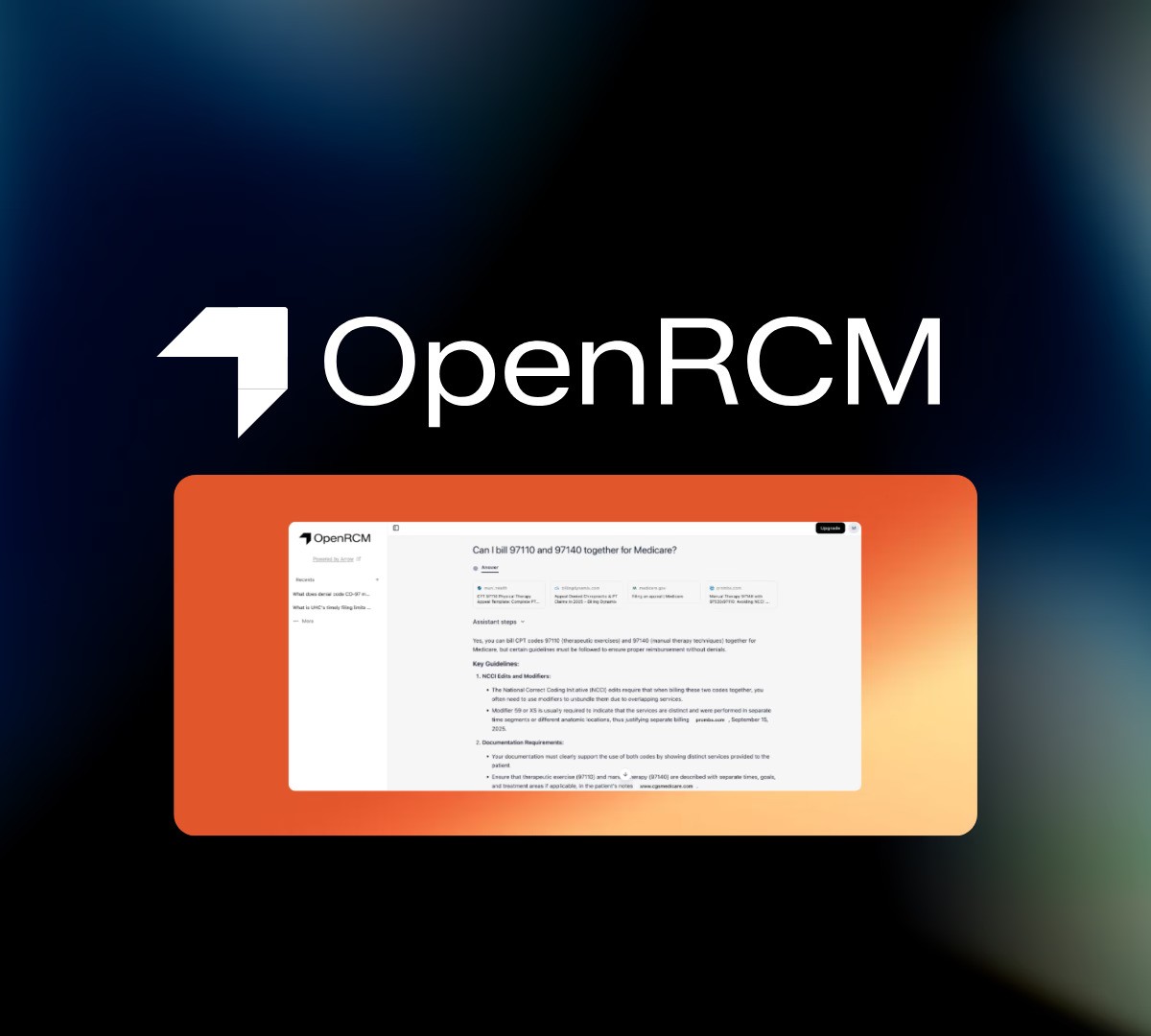
AI Copilot for Medical Billing: What It Is and Why Your Team Needs One
AI copilot technology is transforming the medical billing world. Not just another buzzword. It's a tool that’s actually making billers' lives easier. Let’s dig into how it works and why your team should seriously consider integrating one.
Faster Claims Processing
Medical billing teams face a deluge of claims every day. It’s a grind—navigating payer portals, chasing down documentation, and spending what feels like an eternity on hold. AI copilots can cut through this chaos.
Imagine a tool that not only tracks claim statuses across multiple payers but also predicts the likelihood of denial based on historical data. AI copilots can do this. By flagging potential issues before submission, they help billers prioritize which claims need extra attention. This leads to fewer denials, faster reimbursement, and less time stuck in appeals.
You'll also find AI copilots excel at streamlining data entry. They auto-populate information using data from electronic health records (EHRs), reducing the chance of human error. A subtle typo in a patient ID can derail a claim, but with AI on your side, such errors become rare. Billers spend less time on monotonous tasks and more time on strategic work.
Reducing Denials
Denials can sap the morale of even the most seasoned billing teams. It's not just about the money—though that's important—but the frustration of dealing with opaque payer rules. AI copilots come equipped with denial management features that are game-changers in this realm.
AI can analyze past denial patterns and provide insights into the most common reasons—CPT code mismatches, missing modifiers, or eligibility issues. When you've got a tool predicting denials, you can preemptively address them. This isn't just theory; practices using AI have reported denial reductions of up to 35%. A staggering figure when you consider the typical denial rate hovers around 10-20%.
Further, AI copilots can assist in crafting appeal letters. They recognize which denial reasons have the highest overturn success rates and offer draft templates that increase the chances of appeal approval. Less time spent on appeals means more time securing new revenue.
Improved Collections
Cash flow is the lifeline of any practice. Slow collections can throttle growth and stress financial stability. But AI copilots can enhance collections in several ways.
First, they optimize follow-up schedules. By assessing payer behavior and historical payment timelines, AI systems suggest when to follow up on outstanding claims. Some payers notoriously delay payments—AI keeps them honest by ensuring your team follows up at the most opportune times.
Additionally, AI copilots can automate secondary claims processing. Once a primary payer pays (or partially pays), the copilot can automatically prepare and submit the secondary claim, eliminating lag time caused by manual processing.
Patients also benefit. AI-generated patient statements can clarify what's owed and why, increasing the likelihood of faster payments. Clear communication is often half the battle in patient collections.
Payer Portal Quirks
Navigating payer portals is an art form in itself. Each has its own idiosyncrasies—some log you out after five minutes, others bury key information under layers of navigation. AI copilots can shoulder some of this burden by directly interfacing with these portals to pull essential data and updates.
This capability means billers spend less time wrestling with clunky interfaces and more time managing claims. AI copilots can refresh claim statuses across multiple payers in minutes—a task that might take a human hours. Bundled claims or those requiring additional documentation are flagged automatically, ensuring nothing gets lost in the shuffle.
The Human Element
Some fear that AI will replace humans in medical billing. This perspective misses the point. AI copilots are not a threat but a partner. They handle repetitive, low-value tasks so that human billers can focus on what truly matters—solving complex problems and improving financial performance.
AI doesn’t tire, doesn’t get frustrated, and doesn’t take sick days. But it also doesn’t have the nuanced understanding of a seasoned biller. The best results come when AI works alongside humans, enhancing their capabilities rather than replacing them.
The Bottom Line
Investing in an AI copilot is not just about keeping up with technology; it's about staying ahead. Practices that adopt this technology are seeing real, quantifiable improvements in their billing operations. Faster claims processing, reduced denials, and improved collections—these are not pipe dreams but tangible benefits.
For practices looking to streamline their billing workflow and improve their financial outcomes, an AI copilot is an obvious choice. It’s not the future of medical billing—it’s the present. Embrace it, and watch the transformation unfold.